About Me
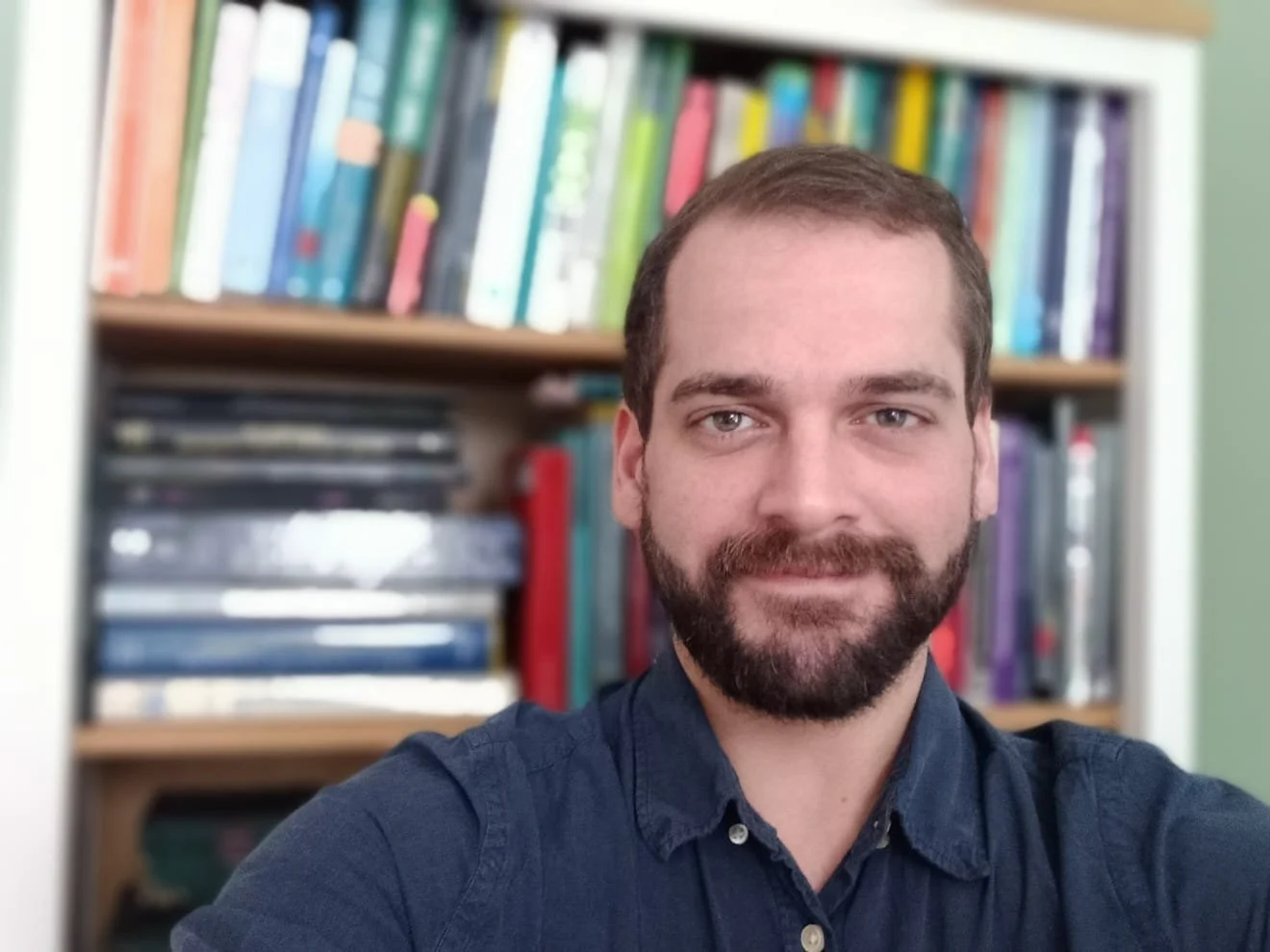
Hi, I’m Andy.
I am an accredited Cognitive Behavioural Therapist with over 10 years of experience working across both the NHS and private practice, helping people overcome a wide range of psychological difficulties including anxiety, depression, trauma, OCD, stress, burnout, and complex emotional difficulties.
My background in psychology began with an undergraduate degree in Psychology, followed by a Master’s degree in Applied Clinical Psychology from the University of Bath, and two postgraduate diplomas in Cognitive Behavioural Psychotherapy completed through the University of Exeter. I have also undergone further training courses led by experts from the universities of Oxford, Cambridge, and several international universities. Before my therapy work I specialised in cognitive neuropsychology, which helps us to understand the links between our brain and how we think. I often integrate this knowledge in to how I help you to understand your mental health alongside other therapeutic models.
Alongside my private practice, I also work for a major local healthcare provider, supporting those with a variety of mental health difficulties. Throughout my career I have worked across a variety of clinical settings, including community NHS mental health services, acute hospital care, and neurorehabilitation services supporting individuals recovering from brain injuries. These experiences have given me extensive experience working with both straightforward and highly complex psychological presentations. This informed my decision to specialise in therapeutic approaches which are backed by scientific studies and proven to be both flexible and effective in helping people to get better.
My clinical approach is rooted in modern, evidence-based Cognitive Behavioural Therapy (CBT), with a particular focus on transdiagnostic approaches to treatment. Rather than viewing difficulties purely through diagnostic labels, this approach uses modern CBT and neuroscience-informed methods to identify the core processes driving distress beneath the surface. Research increasingly shows that difficulties such as anxiety, depression, trauma, chronic stress, and low self-esteem often share common mechanisms — patterns in attention, thinking, emotional regulation, behaviour, and nervous system responses that reinforce suffering over time. Through this lens therapy becomes less about treating a diagnosis and more about understanding the patterns your mind and nervous system have developed, why they continue to repeat, and how those patterns can be changed.
This means therapy is never approached using a rigid “one-size-fits-all” model. Instead, I work collaboratively to develop an individualised understanding of the processes keeping difficulties in place and create a treatment plan specifically tailored to your unique experiences, circumstances, and goals.
I am fully accredited with the British Association for Behavioural and Cognitive Psychotherapies (BABCP), hold an enhanced DBS certificate, and maintain full professional insurance for private practice.
Seeking therapy can often feel like a significant step. My aim is to provide a collaborative, scientifically grounded, and compassionate approach that helps you understand not simply what you are experiencing, but the underlying patterns driving those difficulties, so that meaningful and lasting change becomes possible..